
Have you ever squinted at a menu, struggling to make out the fine print? Or maybe found yourself holding a book at arm's length, wishing your vision hadn't taken a nosedive? Millions of people are walking around with undiagnosed vision problems, often unaware of the silent toll it takes on their lives.
Many eye diseases are sneaky. They creep up without obvious symptoms, slowly chipping away at your sight. By the time you notice something's amiss, the damage may already be done. This is where regular eye exams come in. They're your vision's best friend, a proactive defense against preventable vision loss.
Don't wait for blurry vision or headaches to sound the alarm. Explore why eye exams are your ticket to maintaining clear, healthy vision for many years. Read on.
Understanding Eye Exams
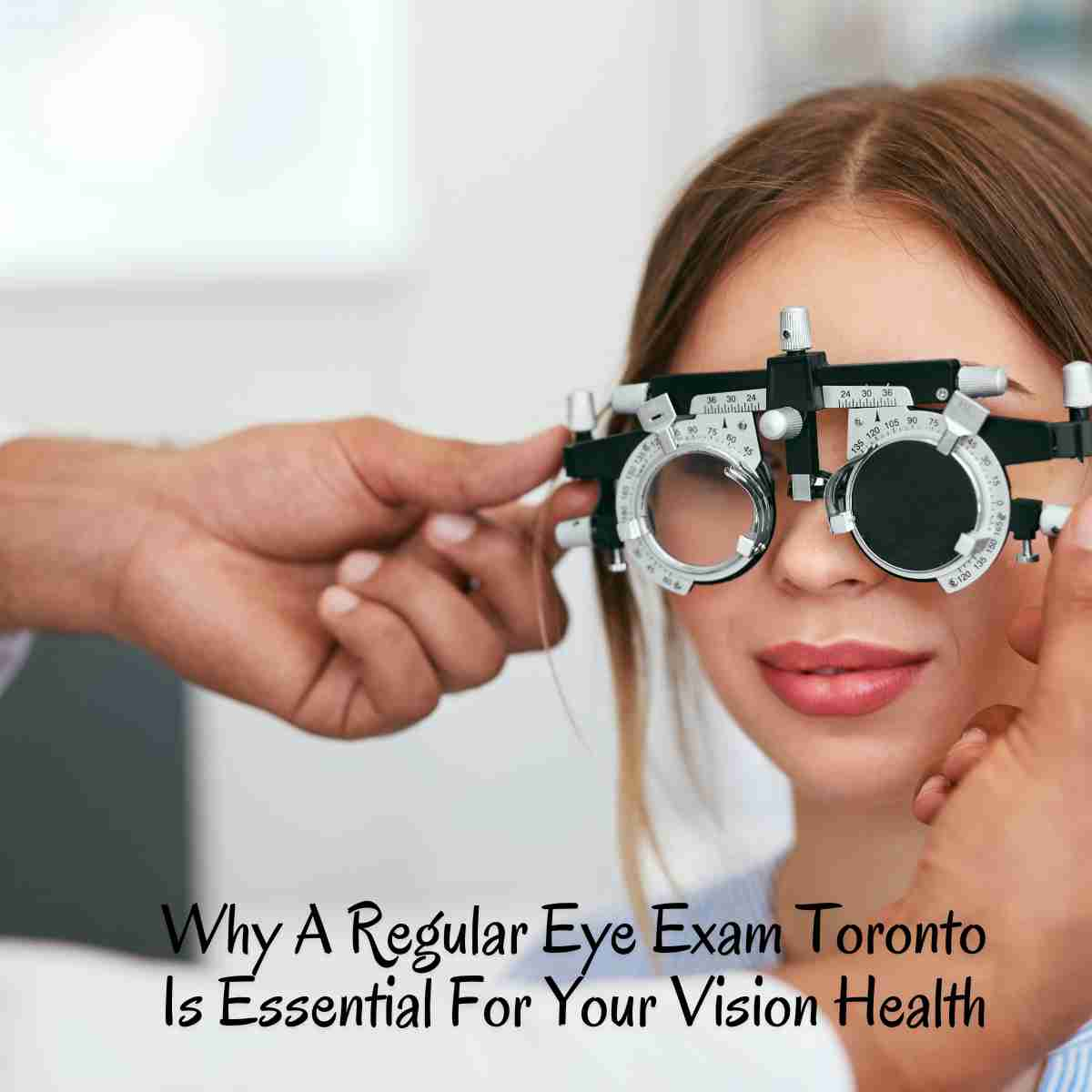
An eye exam Toronto, or anywhere else for that matter, isn't just about reading letters off a chart. It's a comprehensive check-up for your precious eyes. After a friendly chat about your medical history and any vision concerns, you'll be guided to an examination room equipped with specialized tools. First, your visual acuity will be tested to measure your ability to see clearly at various distances.
Next, your eye doctor may use a device to measure the pressure inside your eyes, a key factor in detecting glaucoma, a stealthy disease that can damage your optic nerve. Then, your pupils may be dilated with special drops to widen them, providing a clearer view of your retina (the back of your eye). This allows the eye doctor to assess the health of your retina and other internal structures.
The entire process typically takes about an hour, depending on the specific tests conducted. By the end, you'll have a comprehensive understanding of your eye health and any necessary prescriptions.
Benefits of Regular Eye Exams
Regular eye exams offer a trifecta of benefits that go far beyond just getting new glasses. Take a closer look:
Early detection of eye diseases
Did you know that many serious eye diseases often have no early warning signs? Take glaucoma, for instance. This silent threat can gradually damage your optic nerve without raising any red flags. Similarly, cataracts, a clouding of the eye's lens, and age-related macular degeneration (AMD), which affects central vision, can progress gradually, causing irreversible damage if left unchecked. Regular eye exams act as a vigilant guardian against these conditions. By catching them in their earliest stages, your eye doctor can initiate timely treatment, potentially slowing or even halting their progression.
Vision correction
Blurry vision isn't just a minor inconvenience; it can significantly impact your daily life and even your safety. Imagine squinting at road signs while driving or struggling to focus on your computer screen at work. These are just a few examples of how impaired vision can take a toll on your well-being. During an eye exam, your eye doctor will assess your refractive error, which is the degree to which your eyes don't bend light properly. This information is used to prescribe glasses or contact lenses that correct your vision.
Monitoring eye health
During an eye exam, your eye doctor can spot signs of systemic conditions like diabetes and high blood pressure, sometimes even before you experience any symptoms. For instance, changes in the blood vessels at the back of your eye can be a telltale sign of diabetes. Early detection through an eye exam can lead to prompt treatment and better management of these underlying health issues.
Regular eye exams also establish a baseline for your eye health. By comparing your current eye health to previous exams, your doctor can track changes over time and detect any subtle shifts that might require further investigation.
How Often Should You Get an Eye Exam?
The frequency of eye exams varies depending on your age, risk factors, and overall eye health. Here's a general guideline to get you started:
Children
The American Academy of Ophthalmology recommends that children have their first comprehensive eye exam at 6 months old, another at age 3, and then annually throughout their school years. Early detection of vision problems is crucial for their development and academic success.
Adults (20-40 years old)
If you're a healthy adult with no vision problems or risk factors, you should aim for a comprehensive eye exam every five to ten years. However, if you wear glasses or contacts, have a family history of eye disease, or have chronic conditions like diabetes or high blood pressure, more frequent exams may be necessary.
Adults (40-64 years old)
This is when the risk of developing eye diseases like glaucoma and cataracts starts to increase. The general recommendation is to have an eye exam every two to four years.
Adults (65+ years old)
With age comes a higher risk of eye problems, so annual eye exams are crucial. This allows your eye doctor to monitor your vision closely and detect any changes early on.
Remember, these are just guidelines. Your eye doctor can provide personalized recommendations based on your individual needs and risk factors. Don't hesitate to ask them how often you should schedule your next check-up.
It's also important to note that if you experience any sudden changes in your vision, such as blurred vision, eye pain, floaters, or flashes of light, you should seek immediate medical attention. They could be symptoms of a serious eye condition that requires you to act fast.
Finding the Right Eye Doctor
Finding the right eye doctor is like finding the perfect pair of glasses – it's all about the right fit for your individual needs. Ask friends and family for recommendations or check online reviews to see what others are saying. Don't be afraid to ask questions about the doctor's experience, qualifications, and approach to eye care. And most importantly, choose someone you feel comfortable with.
Final Thoughts
Your vision is priceless. It shapes how you experience the world, connecting you to the people and places you love. Don't gamble with something so irreplaceable. By prioritizing a simple eye exam, you're investing in a lifetime of colorful experiences and unforgettable moments.
This post may contain Affiliate Links, which means I may receive a commission from purchases made through links. I will only recommend products I have personally used. Learn more on my Affiliate Disclosure Page and my Privacy Policy page.